Understanding the Critical Timeline Following Tooth Extraction
When a tooth is lost or extracted, the surrounding jawbone begins an immediate and progressive transformation that can significantly impact future treatment options. The biological process that follows tooth loss is both fascinating and concerning, particularly for those who may be considering tooth replacement solutions such as dental implants Northern Ireland. Understanding what occurs beneath the gum line during the weeks and months following tooth loss reveals why dental professionals consistently emphasise the importance of timely intervention.
The jawbone relies on stimulation from tooth roots to maintain its density and volume. Once this stimulation ceases, the bone tissue begins to resorb at a rate that often surprises patients. Within the first year alone, the bone can lose up to 25 per cent of its width in the affected area. This deterioration continues progressively, though at a slower rate, with vertical height reduction following horizontal bone loss. For those considering dental implants, dental practices offer comprehensive assessments to determine the extent of bone loss and available treatment pathways.
The Science Behind Bone Resorption
The phenomenon of bone loss following tooth extraction occurs through a process called resorption, where the body essentially recycles bone tissue that it perceives as no longer necessary. The alveolar bone, which surrounds and supports teeth, depends entirely on mechanical forces transmitted through the tooth roots during chewing and biting. When these forces disappear, the body redirects resources elsewhere, leading to gradual bone deterioration.
Research has demonstrated that dimensional changes in alveolar bone following tooth extraction follow predictable patterns, with the greatest loss occurring during the first three to six months. The rate and extent of resorption can vary considerably between individuals, influenced by factors including age, overall health, the location of the missing tooth, and genetic predisposition. Understanding these variables helps dental professionals create appropriate treatment timelines for each patient.
Consequences of Delayed Implant Placement
Postponing implant placement creates a cascade of complications that extend beyond simple bone loss. As the jawbone diminishes, the remaining bone structure may become insufficient to support an implant without additional procedures. Patients who delay treatment often find themselves requiring bone grafting procedures, which add time, cost, and complexity to their treatment journey. The adjacent teeth may also shift into the empty space, creating misalignment issues that complicate future restoration efforts.
The financial implications of delayed treatment can be substantial. What might have been a straightforward implant procedure becomes a multi-stage process involving bone augmentation, extended healing periods, and potentially more complex prosthetic solutions. Furthermore, the aesthetic consequences become increasingly pronounced as bone loss affects facial structure, potentially leading to a sunken appearance around the mouth and premature ageing of facial features.
Optimal Timing for Implant Procedures
Dental professionals generally advocate for implant placement within three to six months following tooth loss, though immediate placement at the time of extraction may be appropriate in certain circumstances. This timeframe allows for initial healing whilst minimising significant bone resorption. Studies examining implant success rates relative to placement timing consistently demonstrate superior outcomes when intervention occurs before substantial bone loss develops.
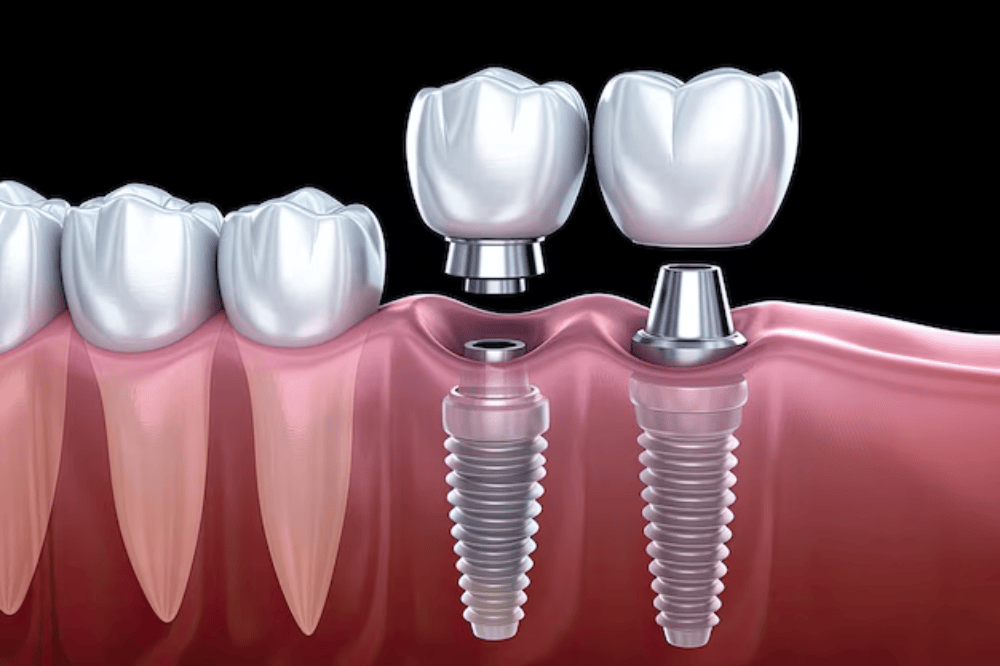
Modern implant techniques have evolved considerably, offering solutions even for patients with existing bone loss. Advanced imaging technologies allow practitioners to assess bone quality and quantity with remarkable precision, enabling personalised treatment planning. For those interested in visual explanations of these procedures, educational resources such as detailed animations of the implant process provide valuable insights into what patients can expect.
Preserving Your Oral Health Investment
The relationship between timing and successful implant outcomes cannot be overstated. Patients who address tooth loss promptly preserve their bone structure, maintain facial aesthetics, and avoid the need for additional corrective procedures. Consulting with experienced practitioners who specialise in dental implants ensures access to current techniques and comprehensive care planning. The decision to replace missing teeth represents an investment in long-term oral health, function, and confidence—an investment best made without unnecessary delay.